Fixed-Price Contracting for Winter-Built Structures
By Jake Jensen
Table of Contents
- Fixed-Price Contracts vs. Cost-Plus: The Winter Construction Difference
- Structural Engineering for Snow Loads: The Foundation of Accurate Pricing
- How to Avoid Construction Change Orders Through Upfront Design
- Fixed Price Contract Benefits for Winter Outdoor Living Projects
- Winter-Resilient Materials and Their Impact on Fixed-Price Contracts
- Project Delivery Methods: Design-Build vs. Traditional Contracting
- Permits, Compliance, and Contract Scope Clarity
- Frequently Asked Questions
Last Updated: October 2, 2026
Fixed-Price Contracts vs. Cost-Plus: The Winter Construction Difference
When you hire a contractor for a winter outdoor structure, the contract type determines whether you get predictable costs or surprise bills. Fixed-price contracting locks in your budget from day one.
This guide from Next Level Exteriors explains how fixed price contracting winter structures protect homeowners building outdoor spaces designed to withstand Utah winters.
How Fixed-Price Protects You from Surprise Costs
A fixed-price contract sets one total price for the entire project before work begins.
This protection matters most in winter construction. Snow loads, freeze-thaw cycles, and ground conditions can shift during a project.
Cost-plus contracting works the opposite way. The contractor bills you for all actual costs, labor, materials, subcontractors, plus a markup percentage. Every unexpected expense becomes your problem.
Why Cost-Plus Models Fail in Cold Climates
Cost-plus pricing assumes predictability. In mild climates, that assumption often holds. In winter construction, it doesn't.
Cold-climate projects face inherent uncertainties. Ground frost depth varies by site elevation and soil composition.
Example: A contractor quotes cost-plus for a structure without calculating actual snow load capacity.
Fixed-price contracting flips this incentive.
Structural Engineering for Snow Loads: The Foundation of Accurate Pricing
Accurate structural engineering is what makes fixed price contracting winter structures possible in cold climates. Without it, you get cost-plus surprises.
How Engineers Calculate Load Capacity
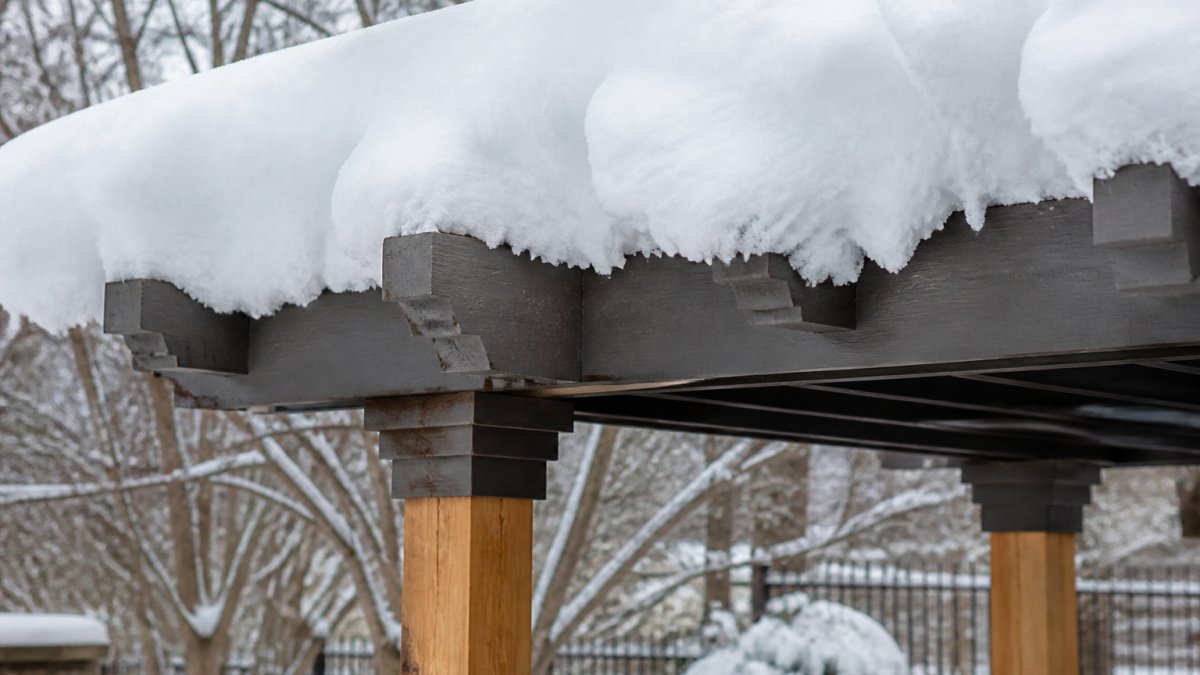
Snow load engineering starts with local data. The ground snow load for a location is based on historical weather records and building code standards.
In the Wasatch Front region, snow loads typically range from 50 to 150 pounds per square foot, depending on elevation and specific location. An engineer calculates the total weight the structure's beams, posts, and footings must bear. They account for wind exposure, roof pitch, and thermal effects that influence snow accumulation patterns.
This calculation becomes the foundation of your fixed-price quote. Once the engineer specifies the load capacity, the contractor selects materials and designs connections to meet that requirement. No guessing.
Why Precise Engineering Eliminates Change Orders
When structural engineering is thorough, the scope becomes unambiguous.
Imprecise engineering creates change orders. A contractor who hasn't calculated snow load capacity might install footings too shallow. Winter frost heave shifts the structure.
Next Level Exteriors custom-engineers every structure for local snow loads before quoting. That engineering discipline is what makes fixed-price contracting reliable.
How to Avoid Construction Change Orders Through Upfront Design
Change orders happen when the original contract doesn't account for real-world conditions. Preventing them requires detailed design work before construction starts.
Climate-Specific Design Prevents Mid-Project Surprises
Climate-specific design means engineering the structure to perform in the actual conditions where it will sit. Not generic design. Not "typical" assumptions.
This design work happens before any contract is signed. The contractor should walk your property, measure grades, assess drainage, and note any site constraints.
When this design is thorough, change orders become rare. The contractor has already solved the winter-specific problems.
Material Specifications That Hold Under Extreme Temperature Swings
Material selection drives durability and cost predictability. Winter materials must resist freeze-thaw cycles, moisture infiltration, and thermal stress.
Composite materials like Trex perform well in cold climates because they don't absorb moisture or splinter under temperature swings. Wood expands and contracts with seasonal changes; composites remain dimensionally stable. This stability prevents the joint failures and structural movement that trigger change orders.
Steel connections must be designed for cold-climate performance. Bolts loosen as materials contract. Welds can become brittle in extreme cold.
When a contractor specifies materials without considering winter performance, change orders follow. Frost heave shifts the structure. Moisture infiltration rots connections.
Fixed Price Contract Benefits for Winter Outdoor Living Projects
Fixed-price contracting delivers specific advantages for structures built to withstand winter conditions.
Budget Certainty from Quote to Completion
You receive one price. That price doesn't change unless you request additional work.
Winter construction introduces variables that cost-plus contracting leaves unresolved. Will ground frost be deeper than expected? Will snow loads exceed the historical average?
This certainty matters for homeowners. You can commit to the project without fear of escalating costs.
Risk Allocation: Who Bears the Cost of Winter Challenges
Risk allocation is the core difference between fixed-price and cost-plus contracting.
In a fixed-price contract, the contractor bears the risk of winter-related complications. They've engineered the structure to handle expected conditions.
This risk allocation incentivizes the contractor to engineer carefully and bid conservatively.
Cost-plus contracting shifts risk to you. The contractor has no incentive to engineer precisely or bid conservatively.
Winter-Resilient Materials and Their Impact on Fixed-Price Contracts
Material selection directly affects whether a fixed-price contract remains fixed or spawns change orders.
Composite vs. Traditional Materials: Cost and Durability Trade-offs
Composite materials cost more upfront than traditional wood or metal. But they deliver lower long-term costs and fewer surprises during construction.
Composites resist freeze-thaw damage. They don't absorb moisture, so they won't rot or warp as temperatures swing.
Traditional materials require more careful design and maintenance to survive winter. Wood needs regular sealing to prevent moisture infiltration.
When a contractor specifies composite materials in a fixed-price contract, they're betting on stability. The material won't surprise them mid-project.
Why Higher-Grade Materials Reduce Long-Term Costs
Higher-grade materials cost more initially but prevent the failures that trigger change orders and warranty claims.
A contractor using premium composite grades and stainless steel fasteners builds in durability.
Lower-grade materials fail sooner. Fasteners loosen. Connections crack.
In a fixed-price contract, the contractor knows they'll bear the cost of material failure.
Project Delivery Methods: Design-Build vs. Traditional Contracting
How the project is organized affects cost predictability and winter performance.
Design-Build Accountability for Winter Performance
Design-build means one entity handles both design and construction.
This integration drives better engineering. The designer must account for construction reality. The builder must implement the design accurately.
In traditional contracting, the architect designs and the contractor builds.
Next Level Exteriors operates as a design-build entity. The owner personally quotes and oversees projects.
Owner Involvement and Transparent Communication
Owner involvement in project decisions prevents scope creep and change orders.
When the owner walks the site, reviews material selections, and approves the design before construction starts, expectations align.
Transparent communication means the contractor explains the engineering decisions, material choices, and cost drivers.
A contractor who hides the engineering or pressures you to decide quickly is setting up for change orders.
Permits, Compliance, and Contract Scope Clarity
Regulatory requirements affect project scope and fixed-price accuracy.
How Regulatory Requirements Affect Project Pricing
Building permits require structures to meet code standards for snow load capacity, wind resistance, and safety. These requirements are non-negotiable.
A contractor who doesn't account for permit requirements in their quote is setting up for change orders. Inspectors will require modifications.
A contractor who prices the project knowing the permit requirements builds compliance into the fixed price.
HOA Approval and Scope Definition
HOA approval often requires specific design elements, materials, or finishes.
A vague contract that doesn't specify HOA requirements creates change-order risk. The contractor builds the structure.
A detailed contract that specifies HOA requirements prevents this. The contractor designs the structure knowing the HOA constraints.
Building structures that withstand winter requires precise engineering, careful material selection, and clear accountability.
When you need a structure built to withstand Utah winters without surprise change orders, work with a contractor who personally engineers every project and stands behind a fixed price. Next Level Exteriors custom-engineers decks, pergolas, and outdoor living spaces for local snow loads and winter durability. Get a free quote within 48 hours, no commissioned salesmen, no pressure, just transparent pricing and reliable craftsmanship. Learn more about fixed-price contracting standards
Frequently Asked Questions
How do professional contractors calculate snow load requirements for outdoor structures?
Engineers assess your region's historical snow depth, density, and roof pitch to determine the structural load your outdoor structure must support. For winter-resilient construction, calculations include the weight of accumulated snow plus a safety margin. This precise structural engineering is what allows contractors to quote fixed-price projects confidently, they've already accounted for the worst-case winter scenario, so change orders become unnecessary.
What defines a fixed-price contract in residential construction?
A fixed-price contract sets a firm total cost for the entire project before work begins. The contractor absorbs cost overruns; the homeowner gets budget certainty. This differs from cost-plus contracts, where you pay actual expenses plus a markup. For winter construction projects, fixed-price contracting requires upfront structural engineering and material specifications to prevent surprises when weather conditions challenge the build.
Why are change orders so common in custom outdoor living projects, and how can you prevent them?
Change orders typically arise from unclear initial scope, unforeseen site conditions, or inadequate design for local climate challenges. To avoid construction change orders, hire a contractor who performs climate-specific structural engineering upfront and documents material specifications in detail. Design-build approaches with owner involvement catch potential issues before construction starts, eliminating the mid-project cost surprises that plague cost-plus contracts.
What should I look for in a transparent construction quote?
A transparent quote should itemize materials, labor, permits, and engineering separately. It should reference specific material grades, structural load calculations, and HOA compliance details. The quote should be provided directly by the owner or principal, not a commissioned salesman, to ensure accuracy. A solid quote eliminates surprises by addressing winter-specific requirements upfront, making fixed-price contract benefits achievable.
Plan your project with Jake
Share your project type, location, scope and timing. Jake confirms an on-site estimate after your callback.